Road geotechnics forms the critical foundation of every successful transportation infrastructure project in Anchorage, Alaska. This specialized discipline combines geotechnical engineering principles with pavement design to ensure roads withstand not only traffic loads but also the extreme environmental conditions unique to subarctic regions. From the initial assessment of native soils to the final design of pavement structures, road geotechnics addresses the complex interaction between the ground and the roadway. In Anchorage, where freeze-thaw cycles can devastate poorly designed roads within a single season, proper geotechnical investigation and design are not merely best practices—they are essential for public safety and long-term infrastructure investment.
The importance of road geotechnics in Anchorage cannot be overstated given the region's challenging geological setting. The municipality sits atop a complex mix of glacial till, alluvial deposits, and the notorious Bootlegger Cove Formation—a marine clay that has caused numerous landslides and structural failures throughout the city's history. This sensitive clay loses significant strength when disturbed, requiring specialized approaches to road subgrade design that account for potential instability. Additionally, extensive peat deposits in low-lying areas and discontinuous permafrost in higher elevations create highly variable subsurface conditions that demand thorough geotechnical characterization before any road construction begins.
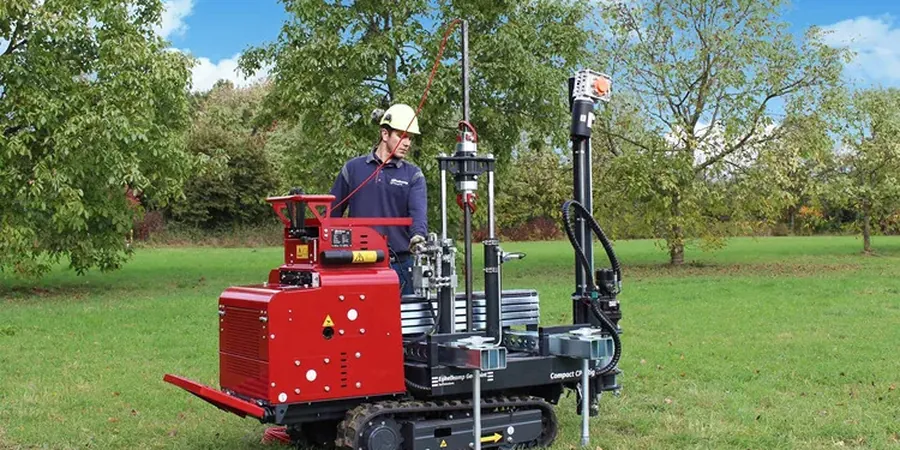
Local geology directly influences every aspect of road geotechnics in the Anchorage area. The city experiences some of the most aggressive freeze-thaw action in North America, with frost penetration depths reaching up to 12 feet in exposed locations. Silty soils prevalent throughout the region are particularly frost-susceptible, leading to differential heaving that can tear pavements apart. This reality makes soil stabilization for roads a fundamental requirement rather than an optional enhancement. Engineers must also contend with the legacy of the 1964 Great Alaska Earthquake, which fundamentally altered soil profiles across the Turnagain Arm area through liquefaction and lateral spreading, creating subsurface conditions that continue to challenge road designers today.
All road geotechnical work in Anchorage must comply with standards established by the Alaska Department of Transportation and Public Facilities (ADOT&PF), which maintains rigorous specifications adapted to northern conditions. These include the Alaska Test Methods (ATM) and the Alaska Construction Manual, supplemented by AASHTO guidelines specifically modified for cold regions. The ADOT&PF mandates comprehensive CBR study for road design on all state-funded projects, with minimum values established for different road classifications. Municipal projects within the Municipality of Anchorage must also adhere to Title 21 land use regulations and the Design Criteria Manual, which incorporate geotechnical requirements for drainage, slope stability, and frost protection layers.
Available services
Flexible pavement design
→ Ver detalleRigid pavement design
→ Ver detalleRoad subgrade design
→ Ver detalleRoad embankment design
→ Ver detalleGeotechnical road drainage
→ Ver detalleSoil stabilization for roads
→ Ver detalleCBR study for road design
→ Ver detalleRoad geotechnics (pavement/subgrade design)
→ Ver detalleQ&A
What makes road geotechnics in Anchorage different from other regions?
Anchorage presents unique challenges including aggressive freeze-thaw cycles, frost-susceptible silty soils, the problematic Bootlegger Cove Formation marine clay, and discontinuous permafrost. These conditions require specialized cold-region design approaches, deeper frost protection layers, and rigorous soil stabilization techniques not typically necessary in temperate climates. The combination of seismic activity and sensitive soils adds complexity rarely encountered elsewhere.
How do local soil conditions affect pavement performance in Anchorage?
Local soils directly determine pavement longevity through frost heave potential, bearing capacity, and drainage characteristics. Anchorage's prevalent silts and clays are highly frost-susceptible, causing differential heaving that leads to cracking and rutting. Poor drainage in fine-grained soils creates saturated subgrades that lose strength during spring thaw, accelerating pavement deterioration. Proper geotechnical investigation identifies these risks before design begins.
What regulations govern road geotechnical design in Alaska?
The Alaska Department of Transportation and Public Facilities (ADOT&PF) provides primary standards through the Alaska Construction Manual and Alaska Test Methods. These incorporate AASHTO guidelines modified for cold regions. Municipality of Anchorage projects must also follow Title 21 and the Design Criteria Manual, which specify geotechnical requirements for drainage, slope stability, frost protection, and minimum subgrade strength values.
Why is subgrade preparation considered the most critical phase of road construction in Anchorage?
Subgrade preparation determines how the entire pavement structure will perform under Anchorage's extreme conditions. Inadequate compaction, improper moisture conditioning, or failure to address frost-susceptible soils leads to premature failure regardless of pavement quality. The subgrade must provide uniform support, adequate drainage, and resistance to freeze-thaw degradation—requirements that demand thorough geotechnical oversight during construction.