Foundations are the structural elements that transfer building loads to the ground, ensuring stability and safety. In Anchorage, Alaska, this category is critical due to the region's unique geotechnical challenges, including permafrost, seismic activity, and variable soil conditions. A properly designed foundation prevents differential settlement and structural failure, making expert analysis essential for any construction project in this area.
Anchorage sits atop a complex geology of glacial deposits, alluvial fans, and discontinuous permafrost. Soils range from dense gravels to soft clays, with frost-susceptible silts common near the surface. Seasonal freeze-thaw cycles and high water tables further complicate foundation behavior, requiring specialized approaches like settlement analysis to predict ground movement and bearing capacity analysis to assess load limits.
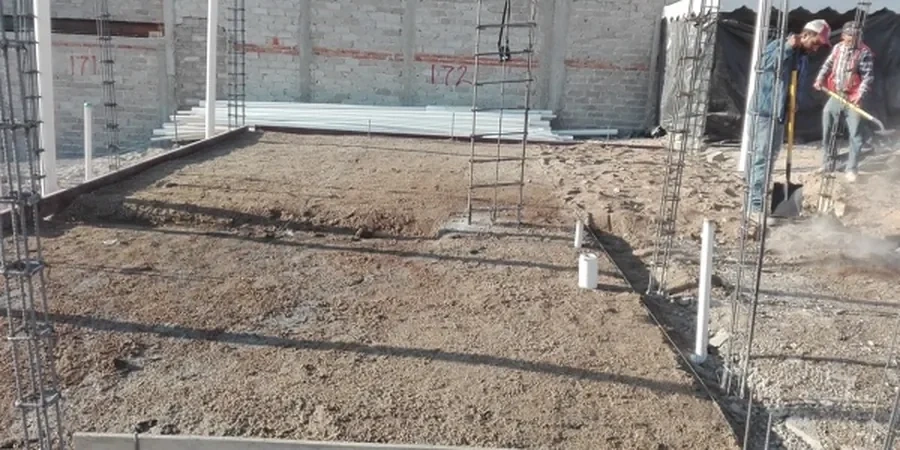
Local building codes in Anchorage align with the International Building Code (IBC) and the Alaska State Building Code, which incorporate seismic design provisions from ASCE 7. The Municipality of Anchorage also enforces specific frost depth requirements (typically 4 feet) and mandates geotechnical reports for most structures. These regulations ensure foundations can withstand both static loads and earthquake forces common in the Cook Inlet region.
Projects requiring foundation expertise in Anchorage range from residential homes to commercial high-rises and infrastructure like bridges. Renovations on problematic sites often involve foundations on fill (analysis) to evaluate compacted or uncontrolled fills. Seismic retrofits and new constructions in earthquake-prone zones demand seismic foundation design to resist lateral forces, while deep foundations like piles are used where surface soils are weak or permafrost is present.
Available services
Settlement analysis
→ Ver detalleBearing capacity analysis
→ Ver detalleFoundations on fill (analysis)
→ Ver detalleShallow foundation design
→ Ver detalleSeismic foundation design
→ Ver detallePile foundation design
→ Ver detalleRaft/mat foundation design
→ Ver detalleMicropile design
→ Ver detalleDriven pile design
→ Ver detalleCollapsible soil evaluation
→ Ver detalleExpansive soil evaluation
→ Ver detalleQ&A
What is the most common foundation type used in Anchorage?
Shallow foundations, such as spread footings and slabs-on-grade, are common for smaller structures on competent soils. However, deep foundations like piles or micropiles are often required in areas with permafrost, soft clays, or high water tables to reach stable bearing strata.
How does permafrost affect foundation design in Anchorage?
Permafrost can thaw under building heat, causing differential settlement. Design strategies include using deep piles that extend into stable frozen ground, insulating foundations to prevent thaw, or constructing on gravel pads that allow air circulation to maintain frozen conditions.
Do I need a geotechnical report for a foundation project in Anchorage?
Yes, most building permits in Anchorage require a geotechnical report that includes soil borings, laboratory tests, and recommendations for foundation type, depth, and seismic considerations. This ensures compliance with local codes and mitigates risks from variable soil conditions.
What are the key seismic considerations for foundations in Anchorage?
Anchorage is in a high-seismic zone, so foundations must resist lateral forces from earthquakes. Design includes proper reinforcement, ductile connections, and soil liquefaction analysis. Techniques like base isolation or deep foundations are often used to enhance performance during seismic events.